
Denim is worth using because it’s durable, repairable, and versatile, and it gets more comfortable as it breaks in. This guide lays out the real benefits of using denim (and the tradeoffs brands rarely mention), including fabric weights, stretch blends, wash impact, and how to choose denim that lasts years instead of months - with practical buying and care rules.
Key Takeaways
- Choose denim by **fabric weight (oz)** and fiber mix first; those two specs predict durability and comfort better than brand names.
- If you want jeans that age well, prioritize **ring-spun cotton, higher GSM/oz, and minimal elastane**; if you want comfort, accept faster wear.
- Wash less, air dry, and spot clean to extend life; denim longevity is mostly a **care and friction management** problem.
Table of Contents
- What “benefits of using denim” actually means (and why most advice is wrong)
- Durability: denim survives abrasion better than most everyday fabrics
- Comfort: denim gets better with wear (if you buy the right kind)
- Versatility: denim is one of the few fabrics that spans dress codes
- Repairability and aging: denim is built for visible wear, not hidden wear
- Sustainability tradeoffs: denim can be responsible, but you have to choose intentionally
- Where automation helps (and where it hurts) when writing about denim
- Frequently Asked Questions
What “benefits of using denim” actually means (and why most advice is wrong)
The benefits of using denim depend on the denim type: raw vs washed, 100% cotton vs stretch, lightweight vs heavyweight, and how it’s dyed. A soft, pre-distressed stretch jean can feel great on day one and still blow out at the inner thigh in six months. A heavier 100% cotton denim can feel stiff for weeks but last for years and be repaired repeatedly.
If you’re researching this for product pages, merchandising, or content, this is where seo automation can go sideways: generic claims like “denim is durable” without specifying weight, construction, or care read like fluff and don’t convert. We’ve seen apparel sites lift conversion rates simply by adding concrete specs and care expectations next to size guidance.
For reference, denim is traditionally a warp-faced cotton twill, typically using indigo-dyed warp yarns and undyed weft yarns, which is why it fades the way it does (good overview at Wikipedia’s denim definition and history).
Durability: denim survives abrasion better than most everyday fabrics
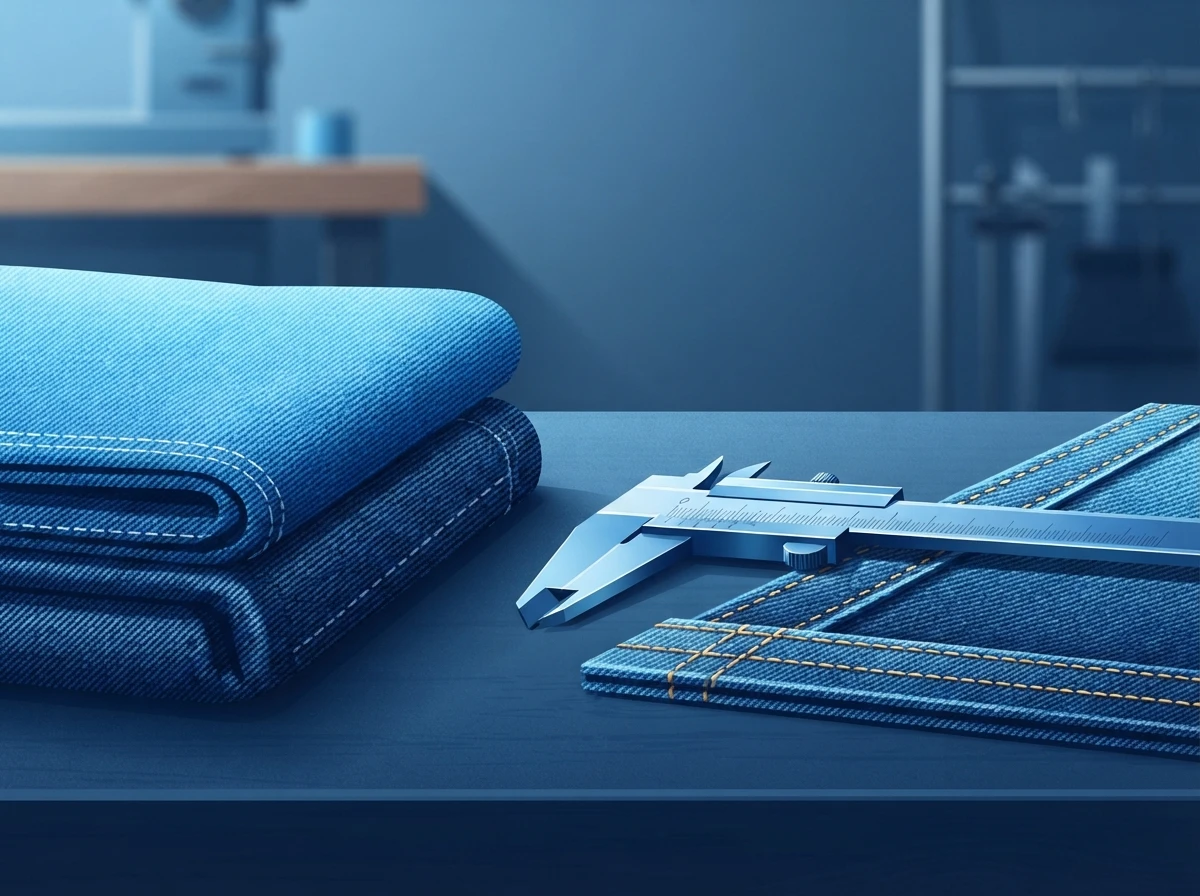
Durability is the headline benefit. Denim’s twill weave structure resists tearing and hides scuffs better than plain weaves. But “denim” on a label doesn’t guarantee toughness.
Here’s the practical rule: fabric weight (ounces per square yard) is your first durability filter.
If you’re buying for longevity, also check the fiber blend. 100% cotton generally repairs best and holds structure. 1-3% elastane boosts comfort but often reduces lifespan because stretch fibers fatigue and seams take more stress.
A note most people miss: inner-thigh blowouts are often a fit + friction issue, not “bad denim.” If the rise is too low or the thigh is too tight, you’re creating constant abrasion. The fix is boring but effective: size for mobility, not vanity.
Comfort: denim gets better with wear (if you buy the right kind)
Comfort is a real benefit, but it shows up differently depending on construction.
Raw or rigid denim starts stiff and becomes comfortable as fibers relax and the garment molds to your body. Stretch denim feels comfortable immediately, but it can lose shape and develop permanent bagging at knees and seat.
If you want “comfort that lasts,” look for:
- 2x1 or 3x1 twill with a moderate weight (11-13 oz)
- minimal stretch (or none)
- a cut that doesn’t bind at hip flexion (try a deep squat test in the fitting room)
This is where tools like ai writing tools can mislead shoppers when product descriptions overpromise (“all-day comfort”) without explaining the tradeoff. A good description names the fabric weight and stretch percentage, then tells the truth about break-in.
If you’re building content at scale, VellumUp’s workflow is designed to keep those details consistent across hundreds of SKUs and guides, then publish automatically through your CMS. If you run Shopify, the Shopify auto-publishing integrations make it straightforward to push optimized product education content without manual uploads.
Versatility: denim is one of the few fabrics that spans dress codes
Denim’s versatility is not a vibe. It’s structural.
A dark, even wash with minimal whiskering can pass in business-casual settings. A heavier, textured denim reads rugged. Denim jackets and overshirts layer across seasons because denim holds shape and blocks wind better than many shirtings.
If you’re curating a capsule wardrobe, denim is a high-leverage fabric because it pairs with:
- knits (texture contrast)
- button-downs (structure on structure)
- tees (casual baseline)
For brands, this matters because versatility is a use-case multiplier. One garment supports more outfits, which reduces buyer hesitation and returns. When we write denim category pages, we map “where it fits” (office casual, travel, weekends) directly to internal links so Google and shoppers understand the cluster. If you’re trying to systematize that, VellumUp’s WordPress publishing integrations and Wix publishing integrations help you keep category pages, buying guides, and product templates connected.
Repairability and aging: denim is built for visible wear, not hidden wear
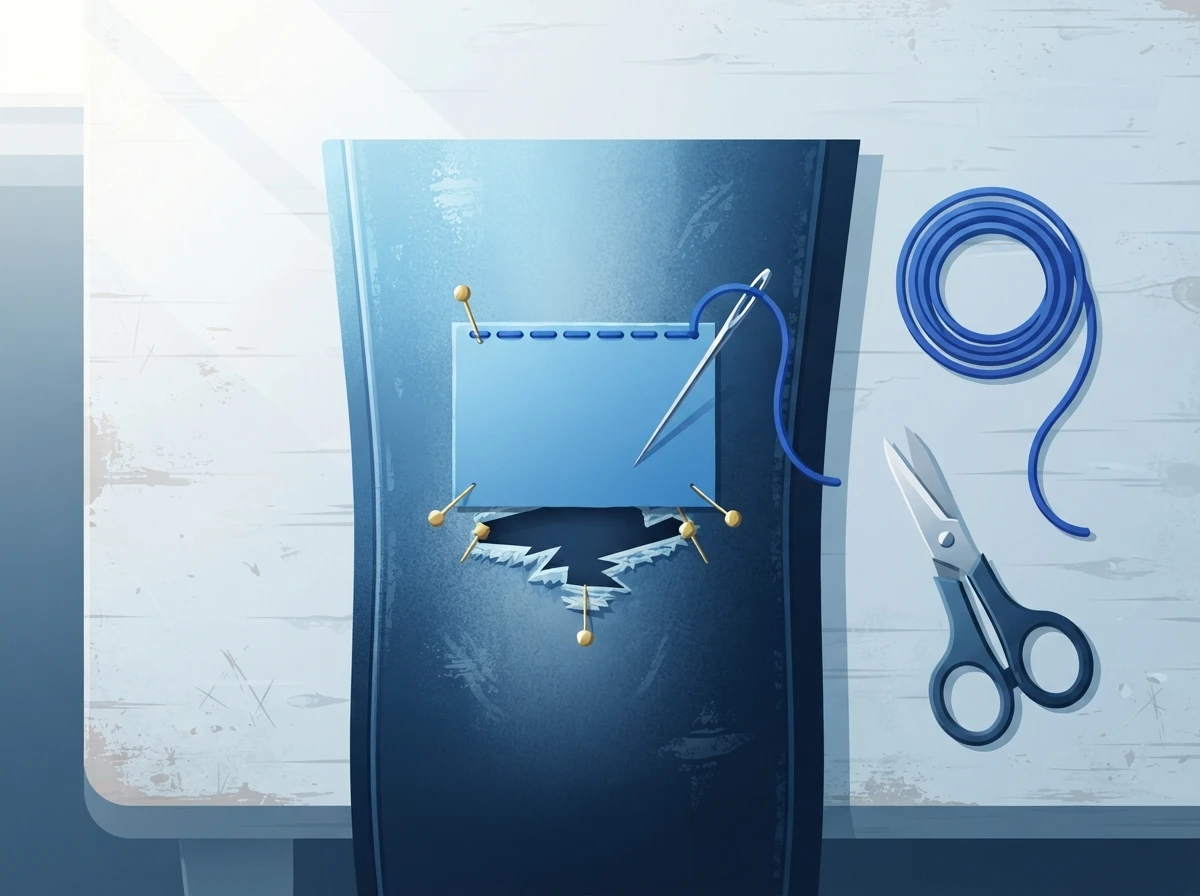
Denim is unusually repair-friendly. Tailors can patch it, reinforce it, and re-stitch it without the repair looking “out of place.” In fact, many people prefer the look of repaired denim because it signals longevity.
Two features make denim age well:
- Indigo dye fades with abrasion, creating personalized contrast.
- Twill hides minor stains and scuffs compared to smoother fabrics.
If you care about sustainability, repairability is the underrated lever. Extending a garment’s life is often more impactful than chasing a slightly “greener” material you’ll replace quickly. The Ellen MacArthur Foundation’s work on circular fashion is a strong starting point for understanding why longevity and reuse beat constant replacement.
A practical buying heuristic: if the denim is heavily pre-distressed, it may already have weakened fibers. Distressing can look great, but it’s often the opposite of “long-lasting.”
Sustainability tradeoffs: denim can be responsible, but you have to choose intentionally
Denim has a sustainability reputation problem because traditional dyeing and finishing can be water- and chemical-intensive. The benefit is that denim can be worn hard, repaired, and kept for years, which reduces total consumption.
What to look for:
- low-impact washes (less aggressive finishing)
- recycled cotton blends (with realistic expectations: they can pill more)
- brands that disclose wash processes and factory standards
Also, don’t ignore care. Frequent hot washing and tumble drying are denim killers. Levi’s has long published care guidance focused on washing less and cold washing when needed (see Levi’s denim care recommendations).
If you’re producing content to educate customers on these tradeoffs, you need consistent structure: what it is, who it’s for, how to care for it, what to expect in 30 wears. That’s exactly the kind of repeatable template where an ai writing generator helps, but only if it’s grounded in real specs and doesn’t hallucinate “eco” claims.
Where automation helps (and where it hurts) when writing about denim
Automation is useful when you’re scaling consistent, spec-driven content. It hurts when it pumps out generic fashion copy that could describe any fabric.
Here’s the dividing line we use:
This is also why “google document ai” gets misunderstood in marketing teams. Google’s Document AI is primarily for extracting structured data from documents (invoices, forms), not writing product copy. If you want an ai chat for writing to produce denim content that ranks, you still need a real SEO strategy: keyword clusters, internal links, and publishing cadence.
If your bottleneck is publishing, not ideation, connect your site once and let the system do the heavy lifting. VellumUp supports direct CMS connections through Webflow publishing integrations and developer-friendly pipelines via webhook-based publishing integrations so content goes live on schedule with internal linking intact.
Frequently Asked Questions
Is there an AI in Google Docs? Yes. Google has integrated Gemini features into Google Workspace for drafting, rewriting, and summarizing. Availability depends on your Workspace plan and region, and it’s not the same thing as Google Document AI.
Is Google Document AI free? Not in the “free forever” sense. Google Cloud Document AI is a paid service with usage-based pricing; some accounts may have limited credits, but production use is billed. Check Google Cloud Document AI pricing for current rates.
What is an automation bot? An automation bot is software that executes repeatable tasks automatically, like publishing posts, updating internal links, or routing content to a CMS. In SEO, bots are most valuable when they reduce human error in workflows that happen weekly.
What are the top 5 AI bots? It depends on the job. For writing and research, people typically compare ChatGPT, Claude, Gemini, Perplexity, and a task-focused automation layer that pushes content into your CMS with rules and approvals.
Denim’s benefits are real, but they’re not magic: pick the right weight and blend, expect a break-in period, and care for it like you want it to last. If you want to turn product specs into search-driven pages that publish consistently (without sounding robotic), take a look at VellumUp plans at VellumUp pricing for automated SEO publishing.